
Supporting the Next Generation of Manufacturing & Engineering
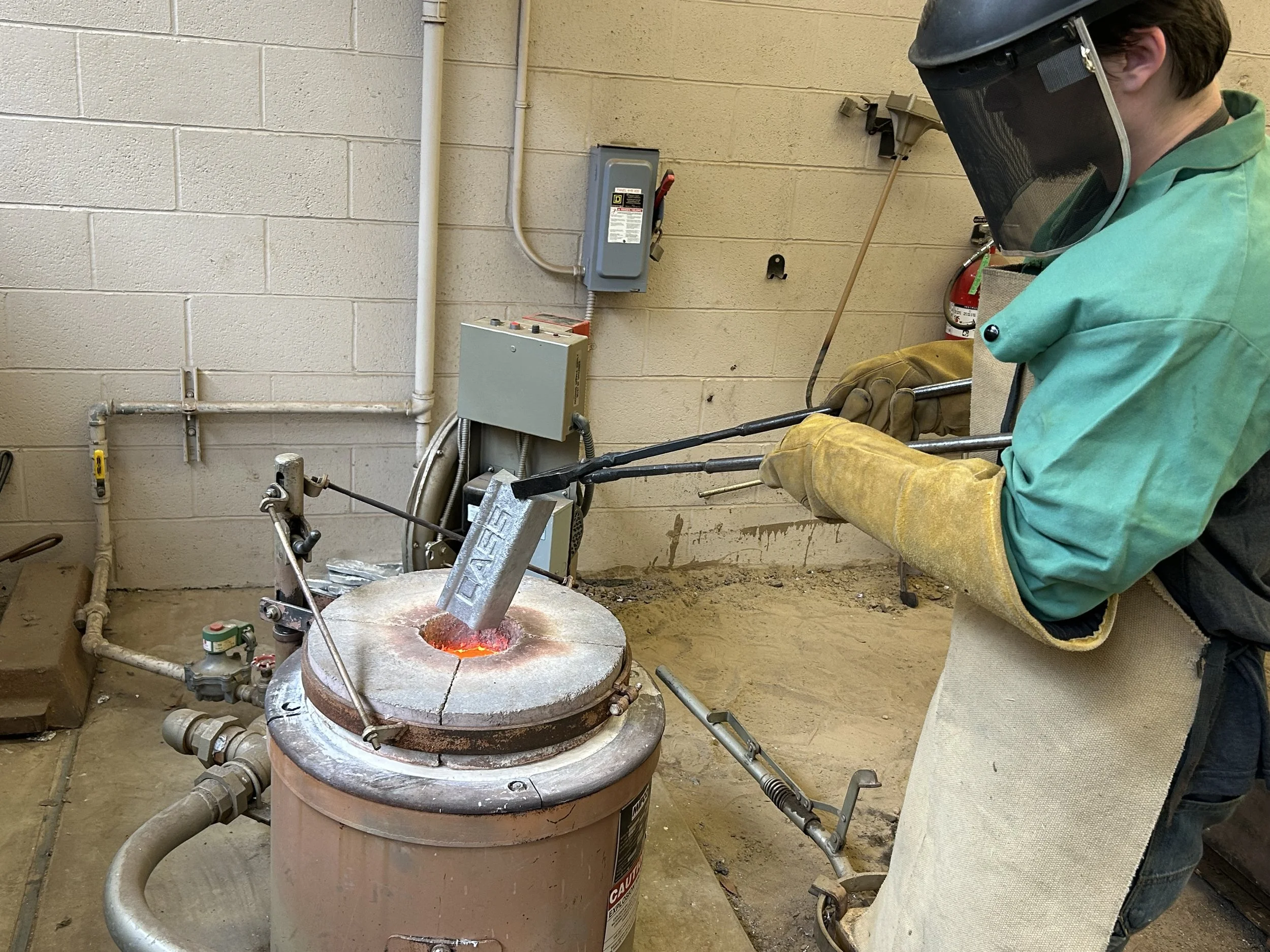
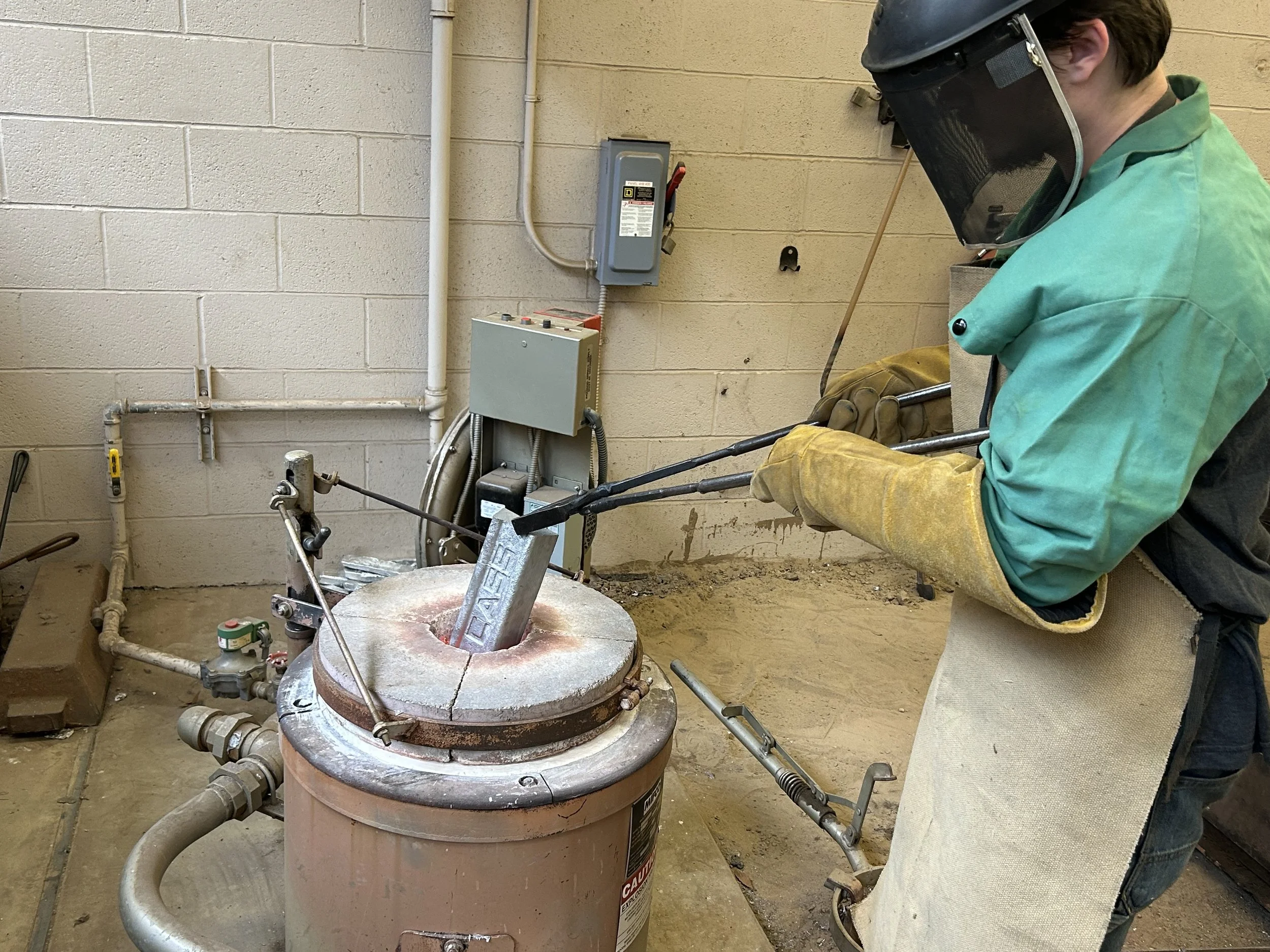
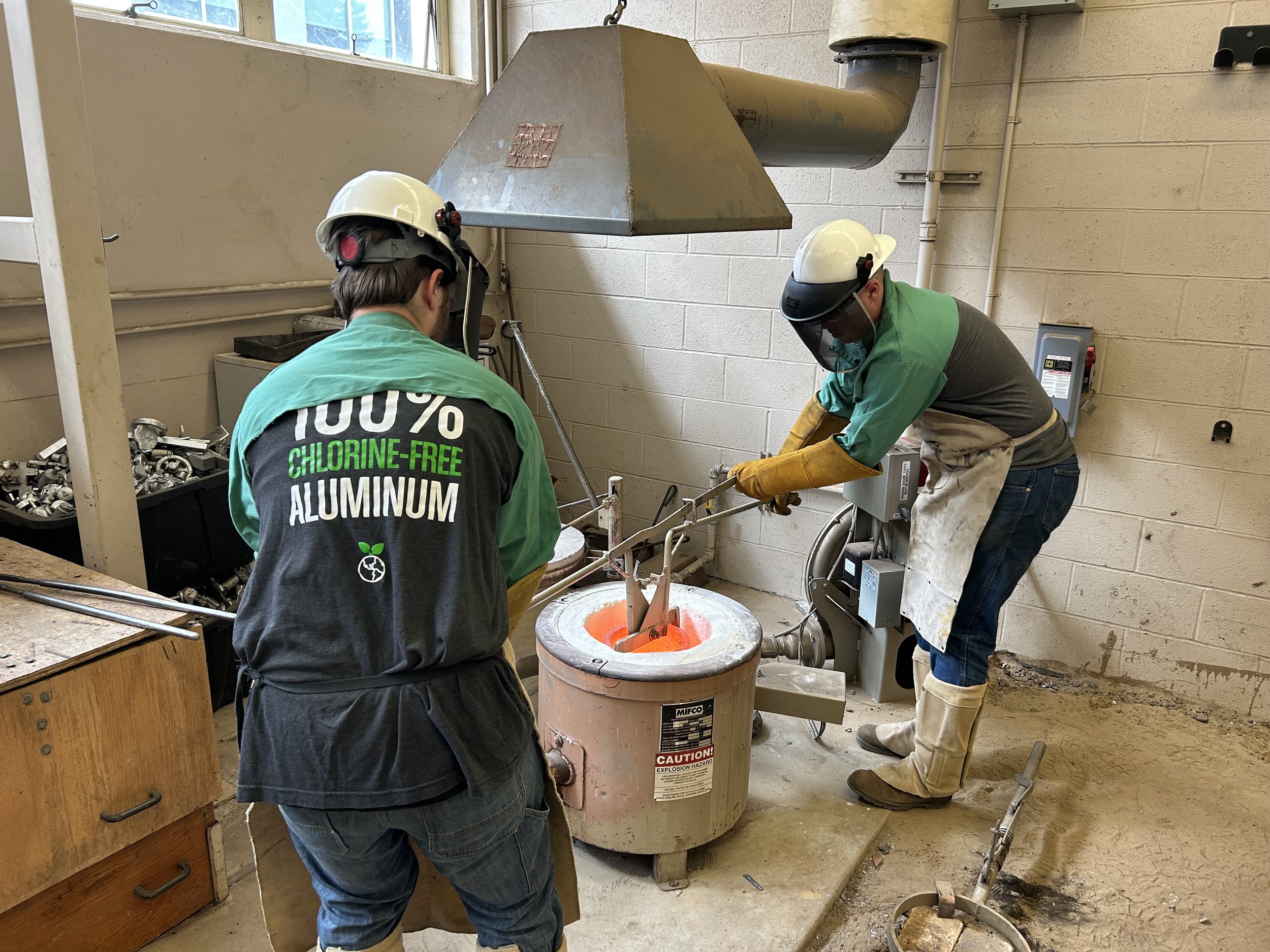
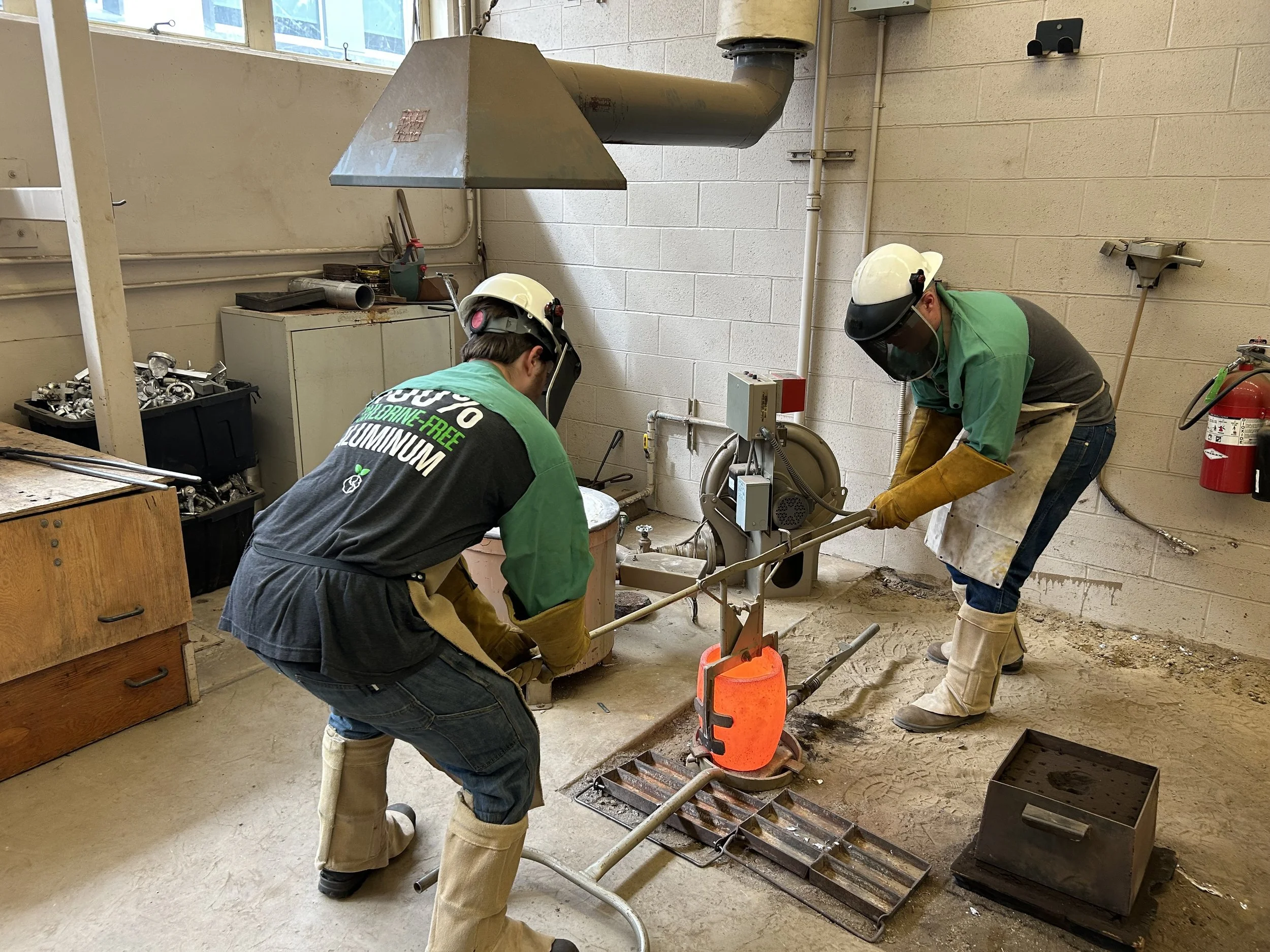
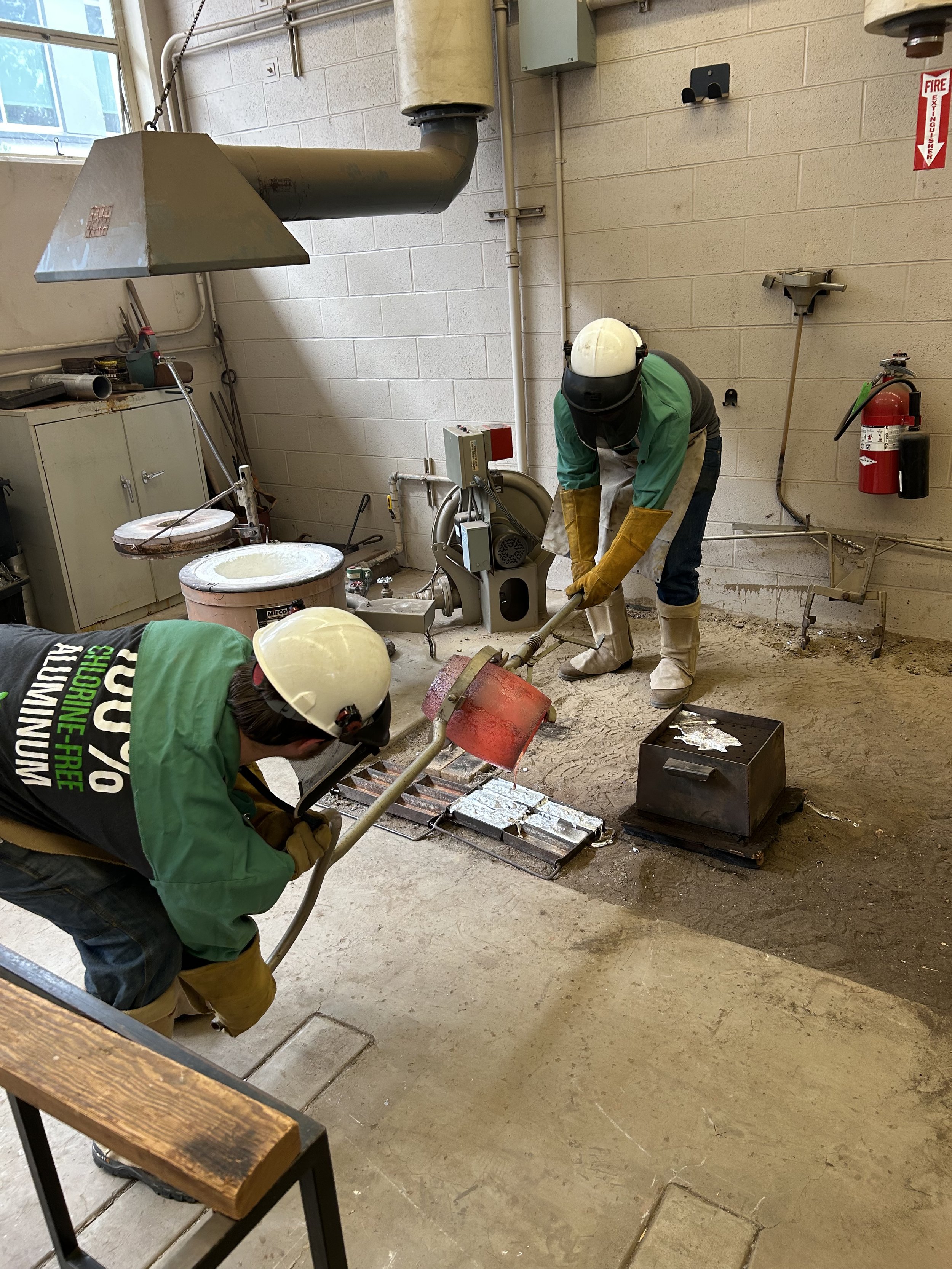
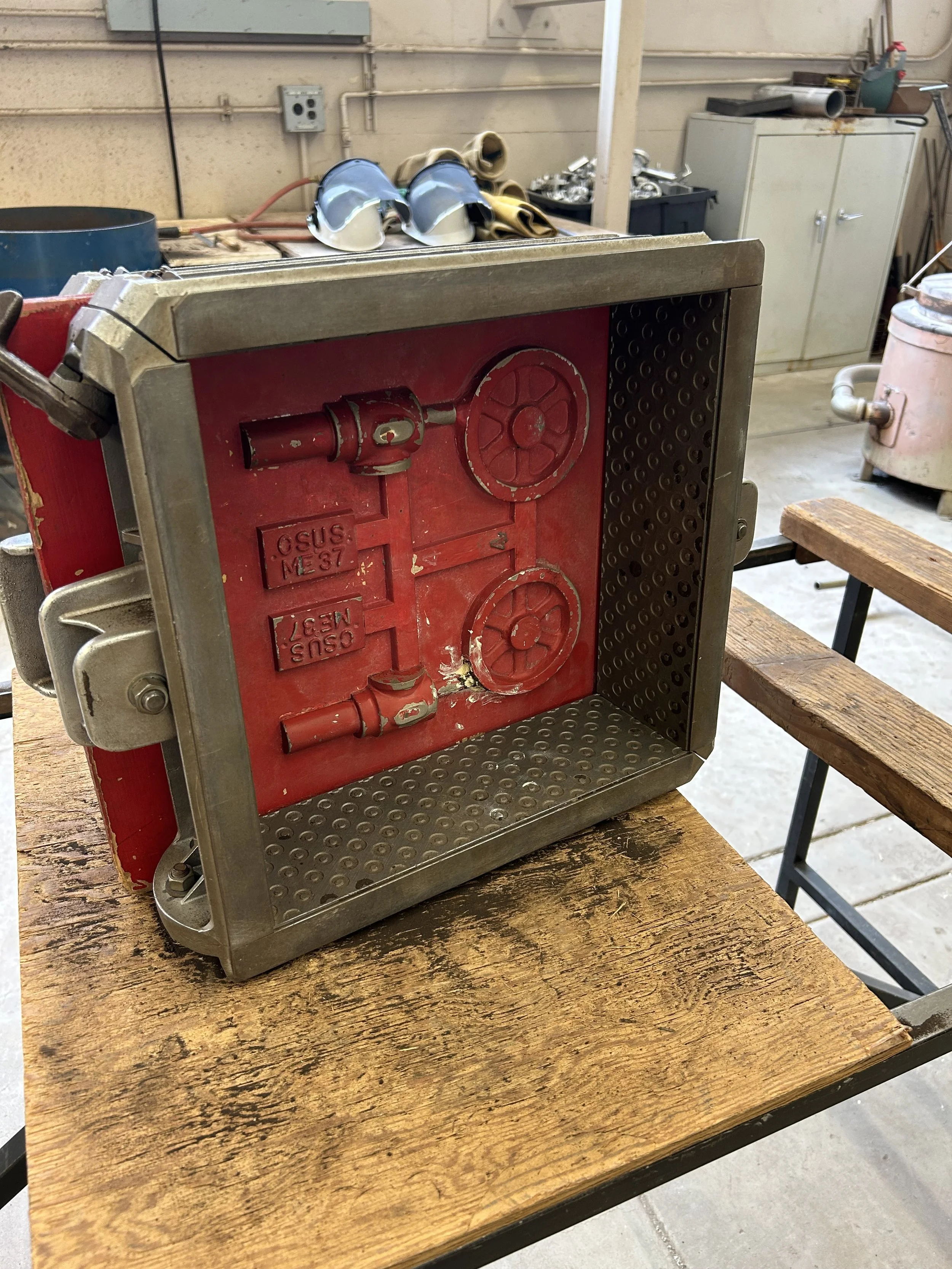
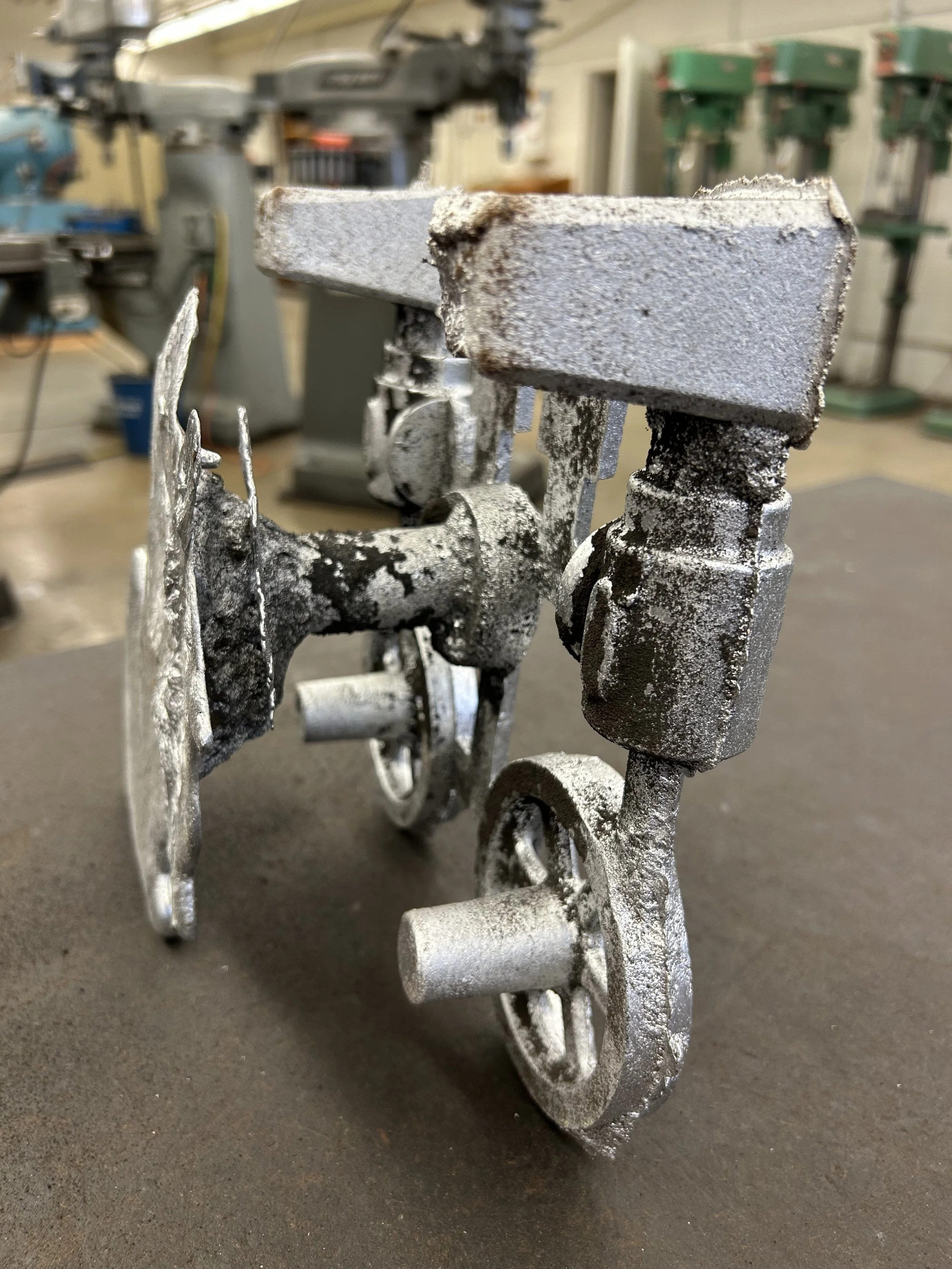
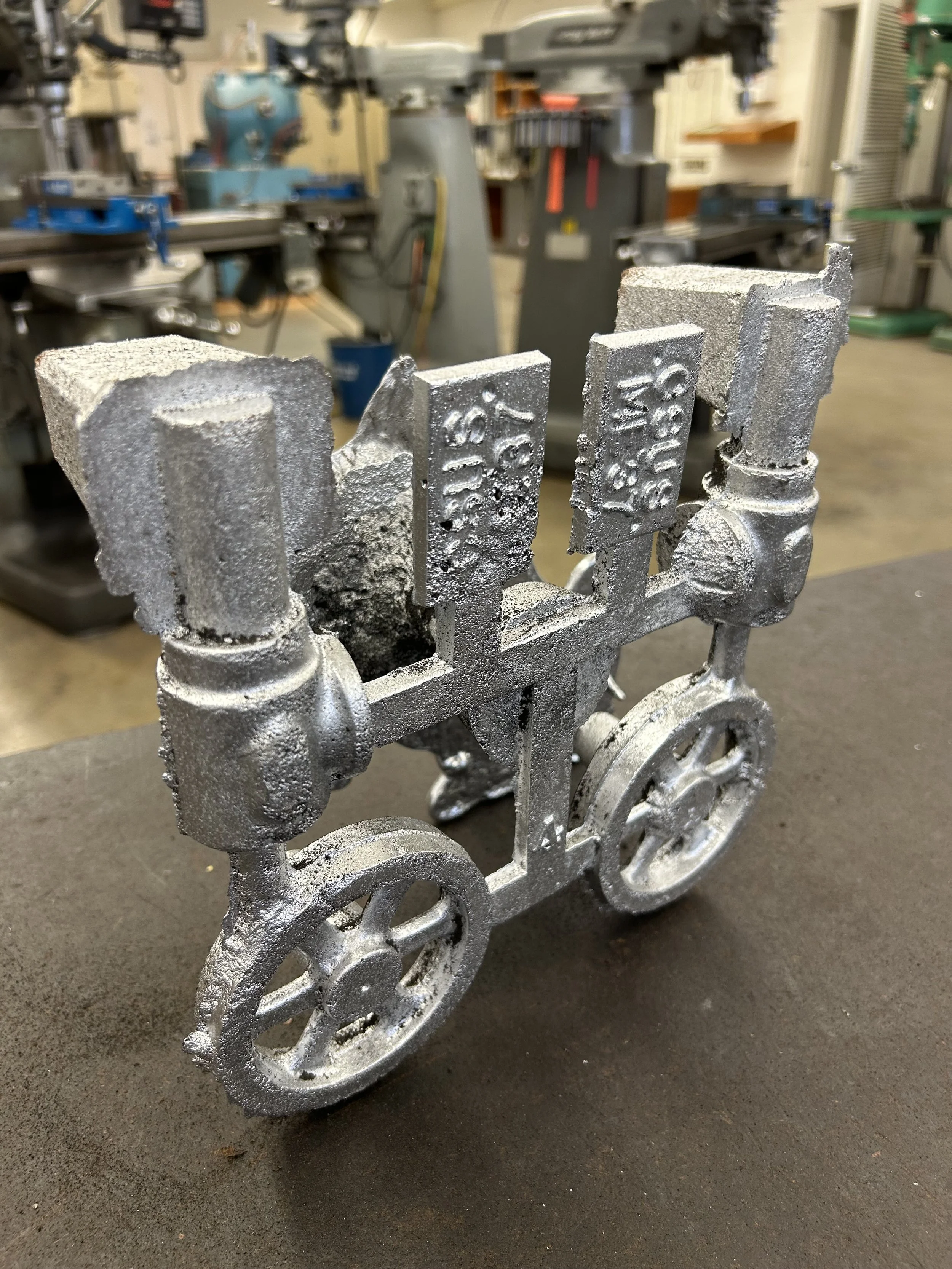
There are some things you simply cannot learn from a textbook. A strong technical foundation is essential, but knowing how to apply that knowledge in the real world is just as important. Hands-on experiences give students the opportunity to connect what they learn in the classroom with the materials, processes, challenges, and decisions they will encounter in practice.
Sacramento State University Sacramento’s (CSUS) Mechanical Engineering program provides students with education across manufacturing, materials, design, thermal-fluid systems, controls, and other areas of mechanical engineering. Opportunities to work directly with materials and equipment allow students to apply those principles and better understand how engineering decisions translate into real-world outcomes.
Casting is one example. Working directly with aluminum allows students to observe material behavior firsthand, understand the importance of preparation and precision, and experience the process of turning a design into a physical part. The result is a tangible connection between engineering theory and something they helped create with their own hands.
Programs that provide these kinds of experiences are important. Manufacturing and recycling are essential parts of the communities and economies they serve, supporting the infrastructure, transportation, technology, equipment, and products society relies on every day. Preparing the people who will contribute to these industries requires strong academic foundations alongside opportunities to understand how materials are recovered, transformed, and made into something new.
As manufacturing continues to evolve, the combination of technical knowledge and practical experience remains valuable. Working with real materials and processes can strengthen problem-solving skills, reinforce quality and safety principles, and give students an appreciation for the challenges and possibilities involved in manufacturing.
CASS is proud to play a small role in supporting these opportunities through annual aluminum material donations to Sacramento State’s Mechanical Engineering program. Our own work spans metal recycling and aluminum manufacturing, giving us a firsthand appreciation for the knowledge and skilled people required to keep valuable resources in circulation and produce materials that can be used again.
We also believe being part of an industry means being part of a community. Our responsibility does not end with what happens inside our facilities. It includes supporting education, sharing knowledge, creating opportunities for the next generation, and contributing where our experience and resources can be useful.
That is why relationships with educators and students are meaningful to us. We are grateful to Sacramento State’s faculty for the work they do and to the Mechanical Engineering Department for sharing these photos of students putting their education into practice. Seeing aluminum transformed in the classroom is a small but powerful example of the connection between education, industry, and the future of manufacturing.
CASS is proud to continue supporting Sacramento State’s Mechanical Engineering program each year, and we encourage others in industry to find meaningful ways to support engineering, manufacturing, and technical education in their own communities.
Strong educational programs help prepare the people who will design, build, manufacture, and improve our future.
Learn more about CSUS Mechanical Engineering
Explore the CSUS Department of Mechanical Engineering and its programs:
https://www.csus.edu/college/engineering-computer-science/mechanical-engineering/
Have a project or story to share?
If you are a student, educator, or organization working on an interesting project, program, or hands-on learning experience related to manufacturing, engineering, materials, or recycling, we would enjoy hearing about it.
Reach out to CASS Marketing to share. We are always interested in learning about meaningful work in our communities, exploring stories we may be able to highlight, and identifying opportunities where CASS may be able to get involved.